GIF in text usually means a short looping animated image used to express emotions, reactions, or humor in online conversations. People send a GIF instead of typing a full message to quickly show how they feel.
In modern messaging culture, GIFs have become one of the most popular ways to react in chats on social media, messaging apps, and forums.
This guide explains the GIF mean in text, how people use it on different platforms, and how to reply when someone sends or mentions a GIF.
GIF Meaning in Text
The GIF meaning in text refers to a short animated image file used to communicate reactions, emotions, jokes, or responses in online conversations.
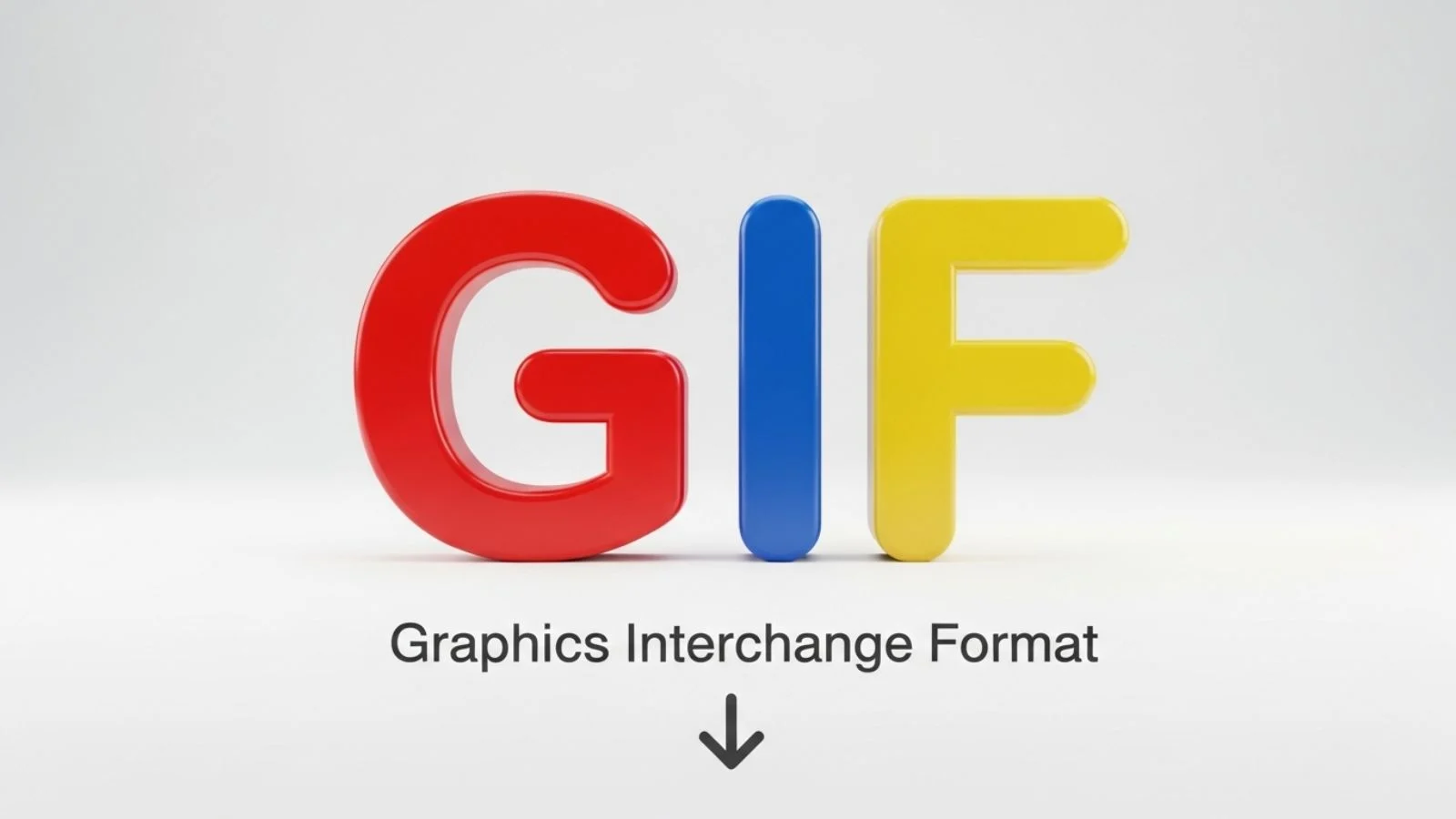
GIF stands for Graphics Interchange Format, but in texting culture, it usually refers to reaction animations.
People use GIFs when they want to:
- Express emotions visually
- React to something funny
- Show sarcasm or excitement
- Replace a written message
Example:
A: I finally passed my exam!
B: sends celebration GIF
A: Haha perfect reaction.
In texting slang, people might say:
- “Send a GIF for that.”
- “This deserves a GIF.”
- “I need a GIF reaction.”
So while GIF is technically a file format, in chat slang it has become shorthand for animated reactions.
Is GIF an Acronym, Slang, or Something Else?
GIF is technically an acronym, but its meaning in chat culture has evolved.
Acronym Origin
GIF = Graphics Interchange Format
It was created in 1987 as an image file format designed for small animations.
Slang Usage Today
In modern texting, GIF functions like slang because people use it casually in conversation.
Example:
A: That was awkward
B: I wish I had the perfect GIF for that
Typing Culture
The rise of quick messaging made GIFs popular because they:
- Communicate emotions quickly
- Replace long text responses
- Add humor to conversations
What Does GIF Mean in Chat?
In chat conversations, GIF usually means a reaction animation used instead of text.
Instead of typing how they feel, people send a GIF that visually shows the reaction.
Example:
A: I spilled coffee everywhere
B: sends facepalm GIF
The GIF acts like a full sentence.
Possible meanings when someone mentions GIF in chat:
- A reaction
- A joke
- A dramatic response
- A visual meme
GIF Meaning on Snapchat
On Snapchat, GIFs are commonly used through stickers and built-in GIF search.
People use them to:
- React to snaps
- Add humor to stories
- Reply with emotions
Example:
A: Just finished my workout
B: sends exhausted GIF
The tone is usually playful or expressive.
GIF Meaning on TikTok
On TikTok, GIFs appear mainly in:
- Comments
- Reaction memes
- Edits and overlays
Sometimes users write:
“This needs a GIF reaction.”
Or:
“That deserves a GIF.”
Here, GIF means a perfect reaction animation for the moment.
GIF Meaning on Instagram
On Instagram, GIFs are commonly used in:
- Stories
- DMs
- Comment reactions
Example:
A: Just posted my new photo
B: sends clapping GIF
The tone here is usually supportive, funny, or sarcastic depending on the animation used.
GIF Meaning on WhatsApp
WhatsApp has a built-in GIF search tool, making them extremely popular in conversations.
Common uses include:
- Reaction to jokes
- Celebrating good news
- Showing sarcasm
- Sending funny moments
Example:
A: I forgot my own birthday password
B: sends laughing GIF
GIF Meaning in SMS (Regular Texting)
Even in traditional SMS texting, people often say:
- “Send a GIF.”
- “I need a reaction GIF.”
- “That’s a perfect GIF moment.”
Here the word GIF simply refers to a reaction animation.
Tone and Context Variations
The meaning of a GIF depends heavily on tone and context.
Funny Tone
GIFs are often used for humor.
Example:
A: I tried cooking today
B: sends kitchen disaster GIF
A: That’s accurate.
Sarcastic Tone
Sometimes GIFs show sarcasm.
Example:
A: I woke up at 6am today
B: slow clap GIF
A: Very funny.
Romantic Tone
Some GIFs show affection.
Example:
A: Miss you
B: sends hug GIF
A: Aww.
Angry Tone
GIFs can also express frustration.
Example:
A: My internet crashed again
B: frustrated desk slam GIF
A: That’s literally me.
Playful Tone
Example:
A: Bet you can’t beat me at this game
B: challenge accepted GIF
A: Game on.
Real Chat Examples of GIF in Conversations
Here are common ways GIFs appear in real messages.
Example 1
A: I finally finished the project
B: Sending a celebration GIF right now
Example 2
A: That joke was terrible
B: Perfect cringe GIF moment
Example 3
A: I’m so tired
B: sleepy GIF
Example 4
A: Guess what?
B: Waiting for the reaction GIF
Example 5
A: I slipped on ice today
B: That deserves a dramatic GIF
Example 6
A: I got the job
B: happy dance GIF
Example 7
A: Monday again
B: sad office GIF
Example 8
A: That movie ending shocked me
B: Same reaction GIF
Example 9
A: You forgot again
B: awkward GIF
Example 10
A: I can’t stop laughing
B: Send the laughing GIF
Example 11
A: This class is boring
B: I need a sleeping GIF
Example 12
A: I love that meme
B: Perfect GIF reaction
Example 13
A: I just dropped my phone
B: dramatic scream GIF
Example 14
A: That was embarrassing
B: Facepalm GIF incoming
Example 15
A: I’m proud of you
B: hug GIF
Grammar and Language Role of GIF
Although GIF is a file format, it behaves like a noun in conversation.
Part of Speech
GIF functions as a noun.
Example:
“Send a GIF.”
Sentence Role
It can act as:
- A direct object
- A reaction reference
Example:
“That deserves a GIF.”
Can It Replace a Sentence?
Yes.
Sending a GIF often replaces an entire message.
Example:
Instead of writing:
“That was hilarious.”
Someone sends a laughing GIF.
Sentence Position
Common positions:
Beginning
“GIF reaction needed.”
Middle
“That moment needs a GIF.”
End
“Send the GIF.”
Formal vs Informal
GIF usage is informal and mostly appears in casual chats.
It is rarely used in formal writing.
How to Reply When Someone Says “GIF”
If someone mentions a GIF in chat, you can respond in several ways.
Funny Replies
- “Sending the most dramatic GIF I can find.”
- “Wait, I have the perfect GIF for this.”
- “GIF incoming.”
- “That reaction deserves a legendary GIF.”
Serious Replies
- “True, a GIF explains it better.”
- “Yeah that situation needs a reaction GIF.”
- “Send it.”
Flirty Replies
- “Only if it’s a cute GIF.”
- “Send me your favorite GIF.”
- “Hope it’s a romantic GIF.”
Neutral Replies
- “Go ahead.”
- “Let me see it.”
- “Send the GIF.”
Is GIF Rude or Bad?
No, GIF is not rude or offensive.
It is a neutral internet term.
Is GIF Disrespectful?
Usually no.
However, the specific GIF used can sometimes appear sarcastic or mocking.
Is GIF a Bad Word?
No.
GIF is simply a technical term and internet slang.
Can You Use It in School?
Yes, in casual conversations.
But teachers may prefer written responses in assignments.
Can You Use It at Work?
It depends on the workplace culture.
Some teams use GIFs in Slack or Teams chats, while others prefer formal communication.
Who Uses GIF the Most?
GIF usage is extremely widespread across age groups.
Age Groups
Most common among:
- Gen Z
- Millennials
But even older users send GIF reactions today.
Popular Platforms
GIFs are heavily used on:
- Snapchat
- TikTok
- Discord
- Twitter (X)
Regions
GIF culture is global and common in:
- United States
- United Kingdom
- Canada
- Australia
- Europe
- South Asia
Anywhere internet messaging is popular.
Origin and Internet Culture
The GIF format was created in 1987 by CompuServe.
Originally it was just an image file format designed to store animations efficiently.
Why GIFs Became Popular
GIFs became popular because they:
- Load quickly
- Loop automatically
- Capture emotional reactions
Meme Culture Influence
Around the 2010s, websites like:
- Tumblr
helped turn GIFs into reaction memes.
TikTok and Modern Culture
Today, GIF reactions are strongly tied to:
- Meme culture
- Viral moments
- Movie scenes
- Celebrity reactions
Because of this, GIFs often carry cultural context.
Comparison With Similar Slang
| Term | Meaning | Formal/Informal | Tone | Popularity | Confusion Risk |
|---|---|---|---|---|---|
| GIF | Animated reaction image | Informal | Emotional or humorous | Very high | Low |
| IDK | I don’t know | Informal | Neutral | Very high | Low |
| ION | I don’t | Informal slang | Casual | Medium | Medium |
| Dunno | Don’t know | Informal | Casual | Medium | Low |
| IDC | I don’t care | Informal | Sometimes rude | High | Medium |
Real-World Messaging Insight
In real online conversations, people often skip typing entirely and just send a GIF reaction.
For example, instead of writing a long response like “That was awkward,” users simply send a cringe or facepalm GIF.
This trend reflects how visual communication is replacing text in modern messaging culture.
Many conversations now include multiple GIFs instead of traditional replies.
Frequently Asked Questions About GIF
What Does GIF Mean in Text Messages and Online Chat?
GIF means a short looping animated image used to express reactions, emotions, or humor in conversations.
Instead of typing a response, users send a GIF that visually represents their reaction.
What Does GIF Mean on Snapchat and TikTok?
On Snapchat and TikTok, GIFs are used as reaction stickers or animations to respond to messages, videos, or stories.
They often add humor or emotional context.
Is GIF Rude, Disrespectful, or Harmless Slang?
GIF is harmless slang.
However, the specific animation chosen could appear sarcastic or mocking depending on context.
How Should You Reply When Someone Says “GIF”?
You can reply by:
- Sending a reaction GIF
- Saying “I have the perfect GIF for this”
- Asking them to send one
Is GIF the Same as IDK or Different?
No.
GIF refers to an animated reaction image, while IDK means “I don’t know.”
They serve completely different purposes in chat.
Can You Use GIF in School or Work?
Yes, but mostly in casual conversations.
Formal writing or professional emails usually avoid GIFs.
Final Thoughts on GIF Meaning in Text
The GIF meaning in text has evolved far beyond its technical definition.
While it originally stood for Graphics Interchange Format, it now represents one of the most common ways people express reactions online.
Key Points to Remember
- GIFs are short looping animated images
- They often replace written responses
- They express emotions quickly
- They are widely used across social media platforms
When to Use GIFs
Use GIFs when you want to:
- Add humor to a conversation
- Show reactions visually
- Make chats more engaging
When to Avoid Them
Avoid GIFs in:
- Formal emails
- Professional documents
- Serious discussions
Common Mistake
One common mistake is assuming GIFs always mean the same thing.
In reality, the specific animation determines the tone, which can be funny, sarcastic, supportive, or dramatic.
Understanding that context helps you interpret GIFs correctly in modern online conversations.