If you have received a message containing LMR and wondered what it means, you are not alone. Text messaging and social media are full of abbreviations that can be confusing, especially when the same acronym has multiple meanings.
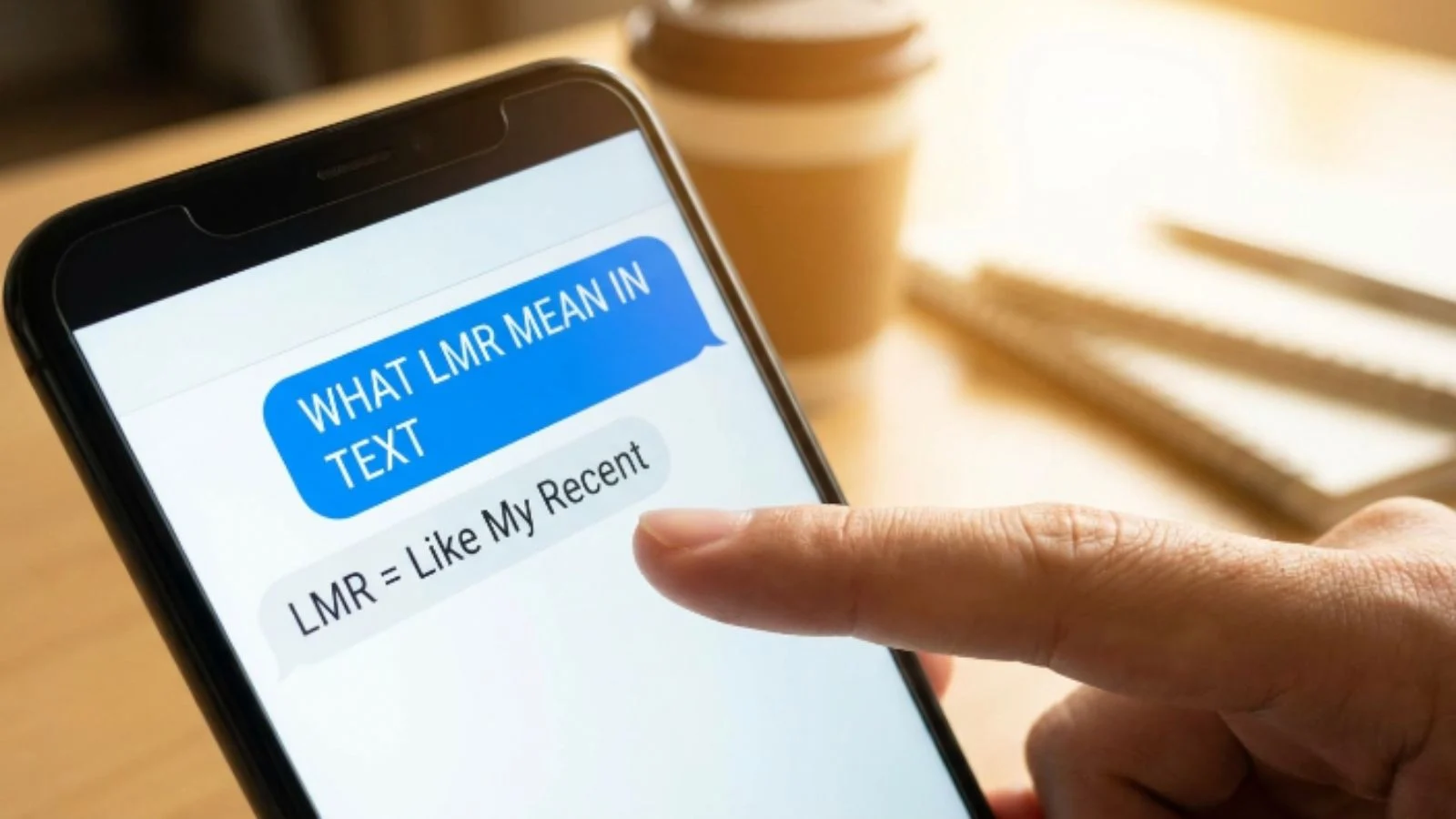
In most texting and social media situations, LMR stands for “Like My Recent.” It is commonly used on platforms such as Instagram, TikTok, Snapchat, and other social networking sites when someone wants others to engage with their newest post, photo, or video.
However, depending on the conversation, LMR can also have other meanings. Understanding the context is important to know exactly what someone means.
In this guide, you’ll learn the meaning of LMR, where it came from, how people use it in 2026, examples, common mistakes, and answers to frequently asked questions.
What Does LMR Mean in Text?
The most common meaning of LMR is:
Like My Recent
People use this abbreviation when they want friends or followers to like their latest social media post.
Simple Definition
When someone writes:
“LMR”
They are essentially saying:
“Please like my most recent post.”
This request is usually friendly and intended to increase engagement on social media.
Quick Meaning Table
| Term | Meaning | Usage |
|---|---|---|
| LMR | Like My Recent | Social media engagement |
| LMR | Like My Recent Post | Instagram, TikTok, Snapchat |
| LMR | Less commonly, other meanings | Depends on context |
In most casual online conversations, Like My Recent is the correct interpretation.
The Origin of LMR
LMR became popular during the rise of social media platforms where likes became an important part of user interaction.
As platforms such as Instagram grew, users started creating shortcuts to save time while typing.
Instead of writing:
“Can you please like my latest post?”
People shortened it to:
“LMR.”
The abbreviation became especially popular among teenagers and young adults who frequently exchanged engagement requests.
Over time, LMR spread to:
- Snapchat
- TikTok
- Messaging apps
- Group chats
Today, many users still use it as a quick way to ask for support on a recent upload.
Why Do People Use LMR?
People use LMR for several reasons.
To Get More Likes
The main purpose is to increase engagement on a new post.
Example:
“Just uploaded a new picture. LMR!”
Explanation: The person wants friends to like their latest photo.
To Support Friends
Friends often help each other by liking recent posts.
Example:
“LMR and I’ll return the favor.”
Explanation: The user promises to like your recent post if you like theirs.
To Increase Visibility
More likes can sometimes help content reach a larger audience.
Example:
“New video posted. LMR please.”
Explanation: The creator wants extra engagement.
To Gain Social Interaction
Some users simply enjoy interacting with friends online.
Example:
“LMR if you haven’t seen my new post.”
Explanation: The person is encouraging engagement and conversation.
How LMR Is Used on Different Platforms
Instagram is where LMR is most commonly used.
Examples:
- “LMR everyone.”
- “New selfie posted. LMR.”
- “LMR and comment.”
Explanation: Users want likes on their latest photo or reel.
Snapchat
On Snapchat, people may send LMR in private messages.
Example:
“LMR on Instagram.”
Explanation: The sender wants Snapchat friends to visit Instagram and like a recent post.
TikTok
TikTok creators sometimes use LMR to boost engagement.
Example:
“Just posted a new video. LMR.”
Explanation: They want followers to support the latest upload.
Although less common, some Facebook users still use LMR.
Example:
“LMR if you get a chance.”
Explanation: The person wants more interactions on a recent post.
Real-Life Examples of LMR in Text
Let’s look at some practical examples.
Example 1
Person A: I posted vacation pictures today.
Person B: Nice! I’ll check them out.
Person A: LMR when you have time.
Meaning: Please like my latest post.
Explanation: Person A wants engagement on their newest upload.
Example 2
Friend 1: Did you see my new reel?
Friend 2: Not yet.
Friend 1: LMR after watching it.
Meaning: Like my recent reel.
Explanation: Friend 1 wants support after viewing the content.
Example 3
User: LMR and I’ll like yours too.
Meaning: Like my latest post and I will return the favor.
Explanation: This is an engagement exchange.
Example 4
Person A: New profile picture today.
Person B: Looks great.
Person A: Thanks. LMR.
Meaning: Please like my recent upload.
Explanation: A friendly request for engagement.
Example 5
User Post: LMR if you’re online.
Meaning: Like my latest post if you’re active.
Explanation: The user is encouraging followers to interact.
Personality Traits Associated With LMR Usage
While using LMR doesn’t define a person’s character, some common traits are often associated with people who frequently use it.
Social
They enjoy interacting with others online.
Engaged
They actively participate in social media communities.
Supportive
Many users exchange likes to support friends.
Creative
Content creators often use LMR to promote new posts.
Attention-Seeking
In some cases, users want extra visibility and engagement.
Remember that these traits vary from person to person.
When Should You Use LMR?
LMR works best in casual online environments.
Appropriate Situations
- Promoting a new photo
- Sharing a new video
- Asking friends for support
- Increasing engagement
- Building social media interaction
Less Appropriate Situations
Avoid using LMR in:
- Professional emails
- Job applications
- Academic papers
- Business meetings
- Formal communication
In formal settings, write complete sentences instead.
Alternative Ways to Say LMR
Sometimes you may want to use a different phrase.
Here are some alternatives:
| Alternative | Meaning |
|---|---|
| Check out my latest post | View my newest content |
| Like my new upload | Engage with latest content |
| Support my recent post | Show support through likes |
| See my newest photo | View latest picture |
| Watch my latest video | View newest video |
These alternatives sound more natural in some situations.
Other Possible Meanings of LMR
Although Like My Recent is the most common meaning, LMR can sometimes mean other things.
Last Minute Reminder
Example:
“LMR: Meeting starts at 3 PM.”
Explanation: A final reminder before an event.
Local Market Report
In business discussions, LMR may refer to a market report.
Example:
“The weekly LMR is ready.”
Explanation: A report about market performance.
Learning and Memory Research
In educational settings, LMR may represent a research field.
Example:
“She works in LMR.”
Explanation: The acronym refers to an academic subject.
How to Identify the Correct Meaning
Context helps determine the meaning.
Social Media Context
Usually means:
Like My Recent
Example:
“LMR on my new post.”
Work Context
Could mean:
Last Minute Reminder
Example:
“LMR: Deadline tomorrow.”
Academic Context
May refer to:
Learning and Memory Research
Example:
“LMR conference next week.”
Common Mistakes People Make About LMR
Assuming It Always Means One Thing
Many abbreviations have multiple meanings.
Always consider the conversation context.
Using It in Professional Communication
LMR is generally informal.
Avoid using it in business communication.
Misreading It as a Command
Sometimes people think LMR sounds demanding.
In reality, most users intend it as a friendly request.
Confusing It With Similar Acronyms
Users sometimes mix up:
- LMR
- LMK
- IMO
- TBH
- IDK
Each abbreviation has a different meaning.
LMR vs Other Popular Text Acronyms
LMR vs LMK
LMR = Like My Recent
LMK = Let Me Know
Example:
LMR: “Please like my newest post.”
LMK: “Tell me your decision.”
LMR vs TBH
LMR = Like My Recent
TBH = To Be Honest
These abbreviations serve completely different purposes.
LMR vs IDK
LMR = Like My Recent
IDK = I Don’t Know
One requests engagement, while the other expresses uncertainty.
Is LMR Still Popular in 2026?
Yes, although social media language evolves constantly, LMR remains widely recognized.
Many users continue using it because:
- It is short.
- It is easy to type.
- It saves time.
- It is understood by many social media users.
However, some creators now prefer longer phrases such as:
- “Check out my latest post.”
- “Show some love on my newest upload.”
- “Support my recent content.”
Even so, LMR remains common among younger users.
Modern Examples of LMR in 2026
Example 1
“Just uploaded my graduation photos. LMR.”
Explanation: The user wants likes on newly uploaded pictures.
Example 2
“New TikTok challenge video. LMR if you enjoyed it.”
Explanation: The creator seeks engagement after posting.
Example 3
“LMR and I’ll support your page too.”
Explanation: A mutual engagement exchange.
Example 4
“Fresh travel reel uploaded today. LMR.”
Explanation: The user wants support on recent content.
Example 5
“LMR before the algorithm forgets me.”
Explanation: A humorous request for engagement.
Benefits of Using LMR
Saves Time
Three letters replace an entire sentence.
Easy to Understand
Most social media users recognize it.
Encourages Engagement
It helps increase likes and interactions.
Builds Community
Friends often support one another through engagement.
Useful for Content Creators
Creators can quickly promote new uploads.
Drawbacks of Using LMR
Can Feel Repetitive
Repeated requests may annoy followers.
Not Everyone Understands It
Older users may be unfamiliar with the term.
Limited to Informal Settings
It is not suitable for professional communication.
May Look Spammy
Excessive use can appear promotional.
Best Practices When Using LMR
To use LMR effectively:
- Use it occasionally.
- Be polite.
- Support others as well.
- Avoid spamming followers.
- Combine it with quality content.
People are more likely to engage when they enjoy your content.
Frequently Asked Questions
What does LMR mean in texting?
LMR usually means Like My Recent. It is a request for someone to like a person’s latest social media post.
What does LMR mean on Instagram?
On Instagram, LMR almost always means Like My Recent. Users ask followers to engage with their newest photo, reel, or story.
Is LMR rude?
No. In most cases, it is a friendly request. However, repeatedly sending it may seem annoying to some people.
Do people still use LMR in 2026?
Yes. Although newer phrases exist, LMR remains common on social media platforms and in casual online conversations.
What should I reply to LMR?
You can reply with:
- “Sure.”
- “Done.”
- “Just liked it.”
- “I’ll check it out.”
These responses show you understand the request.
Is LMR only used on Instagram?
No. It can also appear on Snapchat, TikTok, Facebook, and messaging apps, although Instagram remains its most common platform.
Can LMR have other meanings?
Yes. Depending on context, it may mean Last Minute Reminder, Local Market Report, or other specialized terms. Social media conversations usually mean Like My Recent.
Conclusion
Understanding what LMR mean in text is simple once you know the context. In most online conversations, LMR stands for “Like My Recent,” a request for friends or followers to like a person’s newest social media post. The abbreviation became popular because it saves time and encourages engagement across platforms such as Instagram, TikTok, Snapchat, and Facebook. While LMR can occasionally have other meanings, social media users almost always use it to request support on recent content. Knowing terms like LMR helps you communicate more confidently online and stay updated with modern texting language in 2026 and beyond.